Motorcycle accidents can lead to serious injuries. Knowing what to do afterward can help protect your health and your rights.
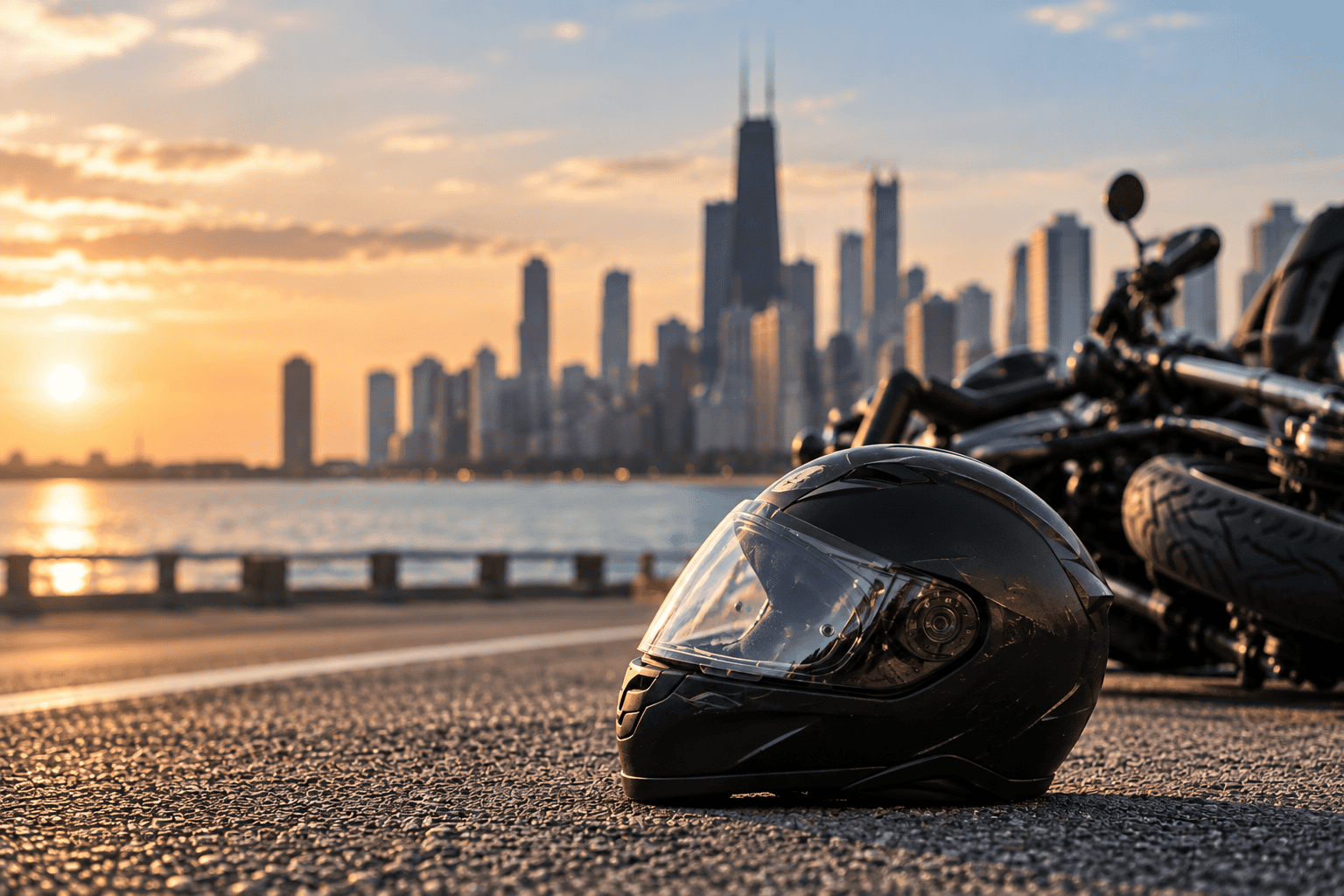
Motorcycles offer a unique way to travel, especially during warmer months, but riders face greater risks when accidents occur. Unlike drivers and passengers in enclosed vehicles, motorcyclists have far less physical protection, which can make even a relatively minor collision result in serious injuries.
When a motorcycle accident is caused by another person’s negligence, an injured rider may have the right to pursue compensation for losses related to the accident. Understanding what to do afterward and how personal injury claims work can help riders protect their rights and make informed decisions.
Motorcycle accidents can happen for many reasons. In some cases, another driver’s actions may contribute to a collision because motorcycles are smaller and can be more difficult to notice in traffic.
Common causes of motorcycle accidents include:
Determining what caused an accident is an important part of establishing who may be legally responsible.
The moments following a motorcycle accident can be overwhelming. If you are able to do so safely, taking certain steps can help protect your health and preserve important information about what happened.
Motorcycle accidents can cause significant injuries, and some symptoms may not be immediately noticeable. Medical evaluation can identify injuries and create documentation of the treatment you receive.
Contact law enforcement and make sure the collision is properly reported. A police report may contain important information about the accident.
If it is safe and possible, take photographs or videos of the vehicles, motorcycle damage, road conditions, traffic signs, and surrounding area.
Obtain the other driver’s contact and insurance information as well as contact information from any witnesses.
Save medical bills, repair estimates, photographs, insurance correspondence, and other documents connected to the accident
Determining liability means identifying who was legally responsible for causing the accident. This often requires reviewing the actions of everyone involved and the evidence available from the scene.
Evidence may include photographs, witness statements, police reports, video footage, vehicle damage, and other documentation.
Motorcyclists can sometimes face assumptions about how they ride, but liability should be determined by the facts and circumstances of the accident. A thorough investigation can help establish what happened and who may be responsible.
Because motorcycles provide limited protection during a collision, riders may experience serious injuries that require extensive medical treatment and recovery.
Common injuries can include:
Some injuries can have long-term effects on a person’s ability to work and carry out everyday activities, making appropriate medical care especially important after an accident.
When another party is responsible for a motorcycle accident, an injured rider may be able to pursue compensation for certain losses associated with the accident.
Depending on the circumstances, these damages may include medical expenses, future medical treatment, lost wages, reduced earning capacity, property damage, pain and suffering, and other accident-related losses.
The value and availability of compensation depend on the specific facts of each case, including the severity of the injuries and the circumstances surrounding the collision.
Motorcycle accident claims can involve insurance companies, questions about liability, medical documentation, and other legal issues.
A personal injury attorney can investigate the circumstances of the accident, review available evidence, communicate with insurance companies, identify potentially responsible parties, and evaluate the losses resulting from the collision.
Legal guidance can also help injured riders understand their options and determine the appropriate steps for pursuing a claim.
A motorcycle accident can have lasting physical, financial, and emotional consequences. Knowing what to do after a collision can make an important difference in protecting your health and preserving information that may be relevant to a personal injury claim.
Seeking medical care, documenting the accident, preserving records, and understanding your legal options are important steps following a motorcycle collision.
If you have been injured in a motorcycle accident and have questions about your rights, speaking with an experienced personal injury attorney can help you understand your options and determine the next steps.
Free consultation — 312-627-1650
Have legal questions? Our team is here to help you navigate your concerns effectively.
